eco-friendly

Revolutionizing material with microbial innovation

Sustainability is the practice of designing and producing goods in a way that protects natural resources, minimizes waste, and reduces environmental harm. In our work, sustainability isn't just a goal, it's a catalyst for revolutionizing products. By replacing plastics and toxic processes with bio-based, renewable alternatives, we're reimagining how materials are made, used, and returned to the Earth.

A world wrapped in plastics

When we think of plastic, we often picture bags and bottles, but plastic is far more ubiquitous. It's woven into our garments, with over 60% of new clothing made from plastic-based fibers. One major culprit is vegan leather, which is often full of plastic.

Revolutionizing materials with microbial innovation

Our approach to sustainability goes beyond buzzwords, we integrate it into every stage of our process. We upcycle food waste as a key ingredient, turning discarded resources into high-performance materials. Our microbial manufacturing process operates at low temperatures, significantly reducing energy consumption compared to traditional plastic and leather production. And unlike conventional materials, our products are plastic-free, biodegradable, and made without toxic chemicals, helping to reduce pollution at the source.

transforming ideas into realities

March 23, 2025

Compostable vs. Biodegradable

Compostability refers to a material’s ability to break down into natural elements like water, carbon dioxide, and biomass in a composting environment, leaving no toxic residue behind and creating nutrient-rich compost. Unlike biodegradable materials, which simply degrade over time (sometimes leaving harmful residues), compostable materials break down in a defined timeframe and in a way that benefits the environment. In short, while all compostable materials are biodegradable, not all biodegradable materials are compostable.
Read Article
March 23, 2025

When we waste food, we waste energy

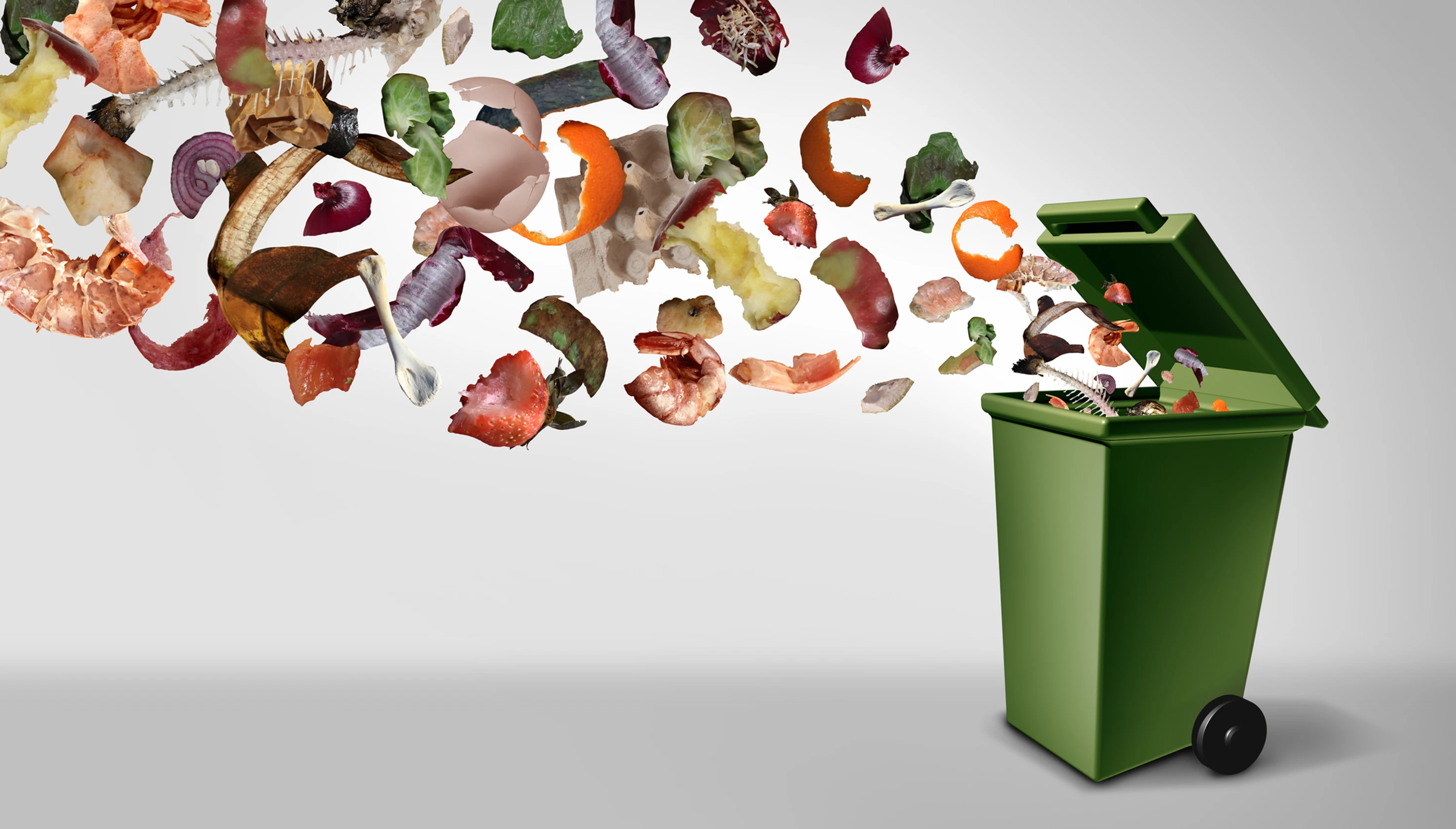
In the United States, an estimated 30–40% of the food supply is wasted, amounting to approximately 133 billion pounds and $161 billion worth of food annually. This waste not only represents a significant economic loss but also contributes to environmental issues. Food waste is the single most common material landfilled and incinerated in the U.S, comprising 24% and 22% of landfilled and combusted municipal solid waste, respectively. When food decomposes in landfills, it generates methane, a potent greenhouse gas that exacerbates climate change. By reducing food waste through mindful consumption and composting, we can conserve resources, save money, and mitigate environmental impacts.
Read Article
March 23, 2025

Renewable sources of energy

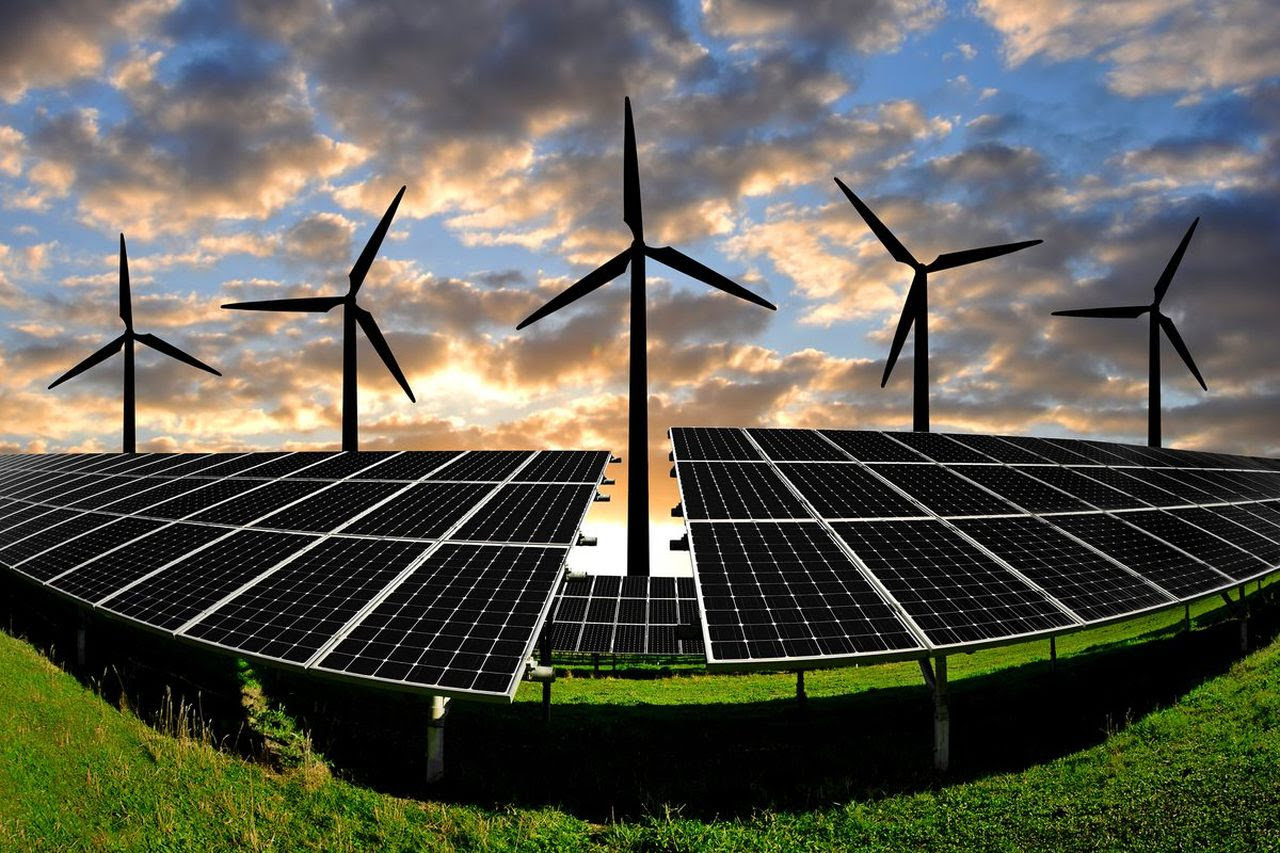
Renewable energy comes from natural sources that are replenished faster than they are consumed, offering a sustainable alternative to fossil fuels. The main types include solar energy, which captures sunlight through photovoltaic cells or solar thermal systems; wind energy, which uses turbines to convert wind into electricity; hydropower, which harnesses the flow of water to generate power; geothermal energy, which taps into the Earth's internal heat; and biomass energy, which derives power from organic materials like wood, agricultural waste, or other biological sources. Together, these technologies play a critical role in reducing greenhouse gas emissions and supporting global efforts to mitigate climate change.
Read Article

Partner with us to Redefine Materials

Get in touch
crossmenu linkedin facebook pinterest youtube rss twitter instagram facebook-blank rss-blank linkedin-blank pinterest youtube twitter instagram